Partner
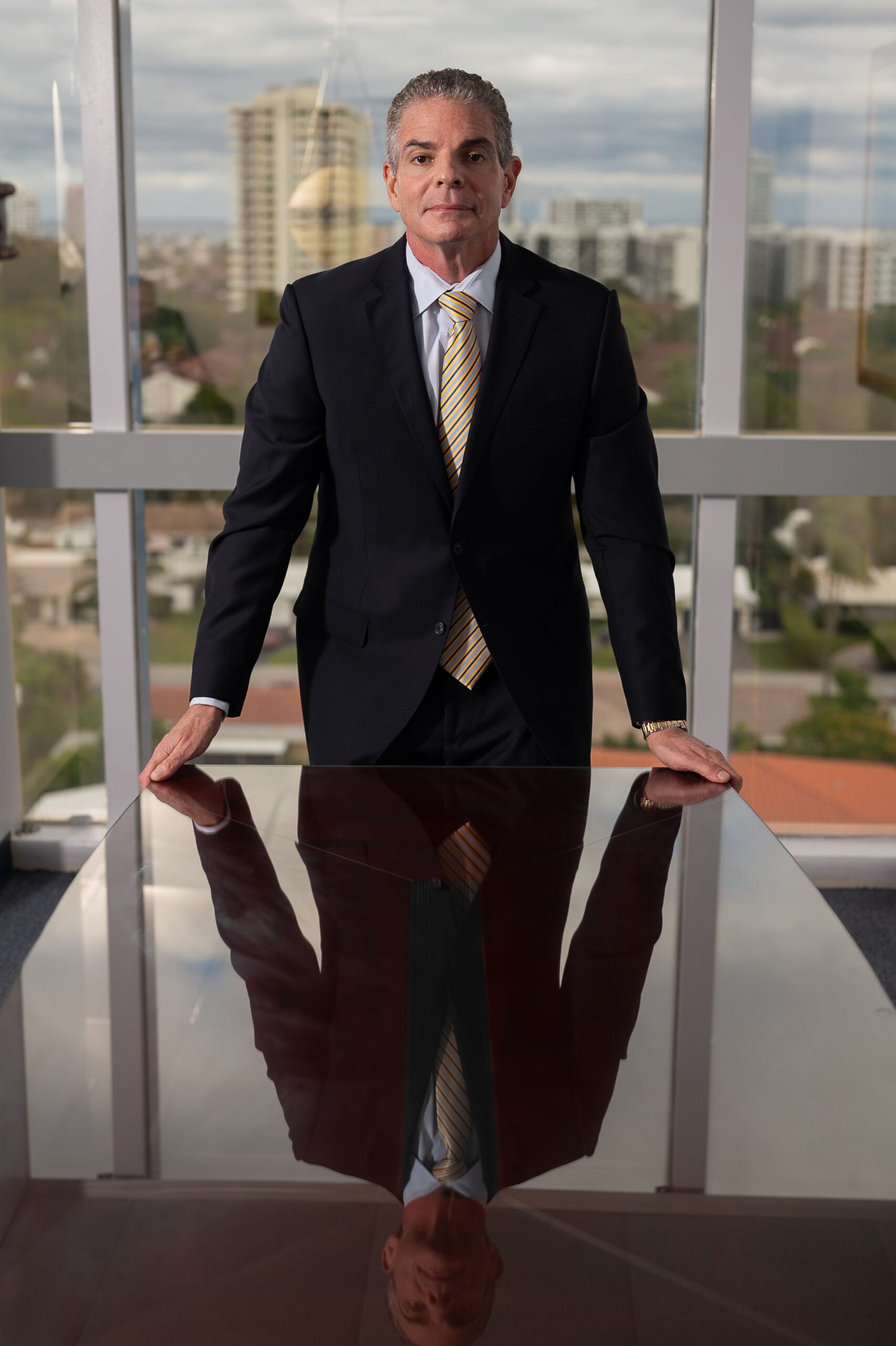
Mark J. Miller
Mark's biography describes work in insurance defense and prosecution before his plaintiff-side practice. That background informs the firm's evaluation of liability disputes and insurance positions.
A fall can interrupt a visit and follow you home.
Miller & Jacobs helps people hurt in Fort Lauderdale falls understand whether a dangerous property condition supports a claim. We look at the place, the warning, and the records that explain what happened, while you focus on medical care and the next practical decision.
Start with the location and date. The consultation is free, and no attorney fee is owed unless compensation is recovered for you.
Reported Recoveries for Injured Clients
Combined Legal Experience
Combined Jury Trials Across Their Careers
Experienced Trial Attorneys
Before the scene changes
A fall near a Las Olas restaurant, a beach hotel, or a parking entrance can leave little visible evidence by the next day. Get necessary care first. If someone can safely help document the scene, ask for the details that distinguish the hazard from the general surroundings.
Photograph the liquid, uneven surface, step, or missing handrail from more than one distance. Include a wider view of the entrance and nearby signs. Do not move an object or recreate the fall. If you were taken for treatment, tell us who saw the area before it changed.
Ask the property to record the incident and keep the date, employee's name, and any reference number. Describe what you actually saw or felt. You do not have to invent a cause because a form asks for one. Request a copy, but do not assume management must immediately provide it.
Retain footwear, clothing, receipts, and the names of people who helped. A restaurant receipt or hotel booking may narrow the time for a video search. Keep original photographs rather than only cropped copies. An injury can be real even when you could not take a picture at the scene.
A hazard is only part of the claim
A property is not automatically responsible for every fall. We assess the applicable duty, the unsafe condition, its connection to the injury, and available proof. The law for a temporary business spill differs from questions about a broken step or a structural defect.
For covered falls involving a transitory foreign substance, Florida law addresses actual or constructive knowledge. The substance's duration or a regularly recurring condition can matter. Cleaning logs, observations, and available video may help; a wet floor alone does not answer the notice question.
A raised threshold, loose rail, or damaged walkway may call for a different analysis. We examine who controlled that area, maintenance history, prior reports, and the physical condition. Do not assume that the same spill rule governs every defect simply because the injury is described as a slip and fall.
The placement and visibility of a sign matter, as do lighting and the route a visitor could reasonably use. We consider the property's position and your account together. A sign somewhere in the lobby does not establish what was visible at the actual spot, but an effective warning may affect the claim.
The part the incident form misses
The trip is over. The pain and appointments are still here.
A fall can mean needing help with a bag, missing a shift, or changing how you move around your own home. Tell us what became difficult and when. Those ordinary details can guide the records we need and the questions we ask.
Visitors and local residents
Tell us if your return flight, cruise plans, or medical follow-up will take you away from South Florida. A claim needs a reliable timeline, not repeated trips to the property. The first conversation can take place by phone, including after you return home.
Save the first discharge papers and later referrals. Explain the fall consistently to each treating provider and describe any symptoms that develop later. A provider decides what care you need. We use the medical sequence to assess whether the claimed injuries and restrictions are supported.
Keep changes to reservations, transportation receipts, and bills for help you needed because of the injury. Explain why each expense became necessary. A canceled activity or changed flight is not automatically compensable; the reason, documentation, and applicable law still need review.
Keep the business name and street address, plus the hotel operator or booking details if available. A branded hotel may involve an owner, operator, and contractor with different roles. We can investigate those relationships without asking you to determine legal responsibility from the name on the sign.
For other kinds of local injury claims, our Fort Lauderdale personal injury guide explains the broader claim process and the firm's South Florida service area.
A free consultation
Call and tell us which decision is pressing. We can start with your account of the Fort Lauderdale fall and explain what information would help us review it.
Bills and an uncertain recovery
Medical care and a liability claim often run on different schedules. Bring the actual bill, insurance response, or release you have been asked to sign. We can explain which questions remain open before you make a decision that may end the injury claim.
Health coverage or other applicable benefits may help with care while responsibility is disputed. Benefits, deductibles, repayment rights, and provider balances need separate review. We do not promise that a property insurer will promptly pay every bill merely because you reported the fall.
Keep wage records, paid leave used, medical restrictions, and receipts for needed assistance. Describe a specific change, such as being unable to stand through a shift or use stairs at home. A clear example helps explain the injury's effect better than a broad estimate without support.
A payment for an immediate expense may come with terms affecting additional claims. Read the full document, including whose claims are released. Future treatment, recovery time, and unresolved coverage can matter. You can ask for advice before accepting an offer rather than treating the first number as the only option.
A focused first review
The useful question is whether the evidence supports a claim and what steps can protect it. We begin with the records you have, identify missing information, and explain the investigation. A request to preserve evidence is different from a guarantee that video exists or will be released.
We assess incident reports, photographs, potential witnesses, and the business's record holders. Relevant video or maintenance material may require a proper request or later discovery. The time and exact location make that inquiry more useful.
We compare your description with the property's explanation and examine possible fault arguments. We also check whether additional parties controlled the hazard. No lawyer can fairly value a claim from the injury label alone, without considering responsibility and the supported losses.
You should understand the potential parties, coverage questions, and what a proposed agreement would resolve. If litigation becomes necessary, the decision depends on the evidence, available recovery, and your circumstances. A consultation does not commit you to filing a lawsuit.
Many Florida negligence actions have a two-year filing limit under section 95.11. The incident date, claim type, and exceptions can change the analysis. Public-property claims may carry separate notice requirements, so ask about timing promptly.
Miller & Jacobs
Partners Mark J. Miller and Rick S. Jacobs represent injured clients in Fort Lauderdale from the firm's Pompano Beach office. Their biographies describe the legal experience behind the firm's approach to disputed injury claims.
Partner
Mark's biography describes work in insurance defense and prosecution before his plaintiff-side practice. That background informs the firm's evaluation of liability disputes and insurance positions.
Partner
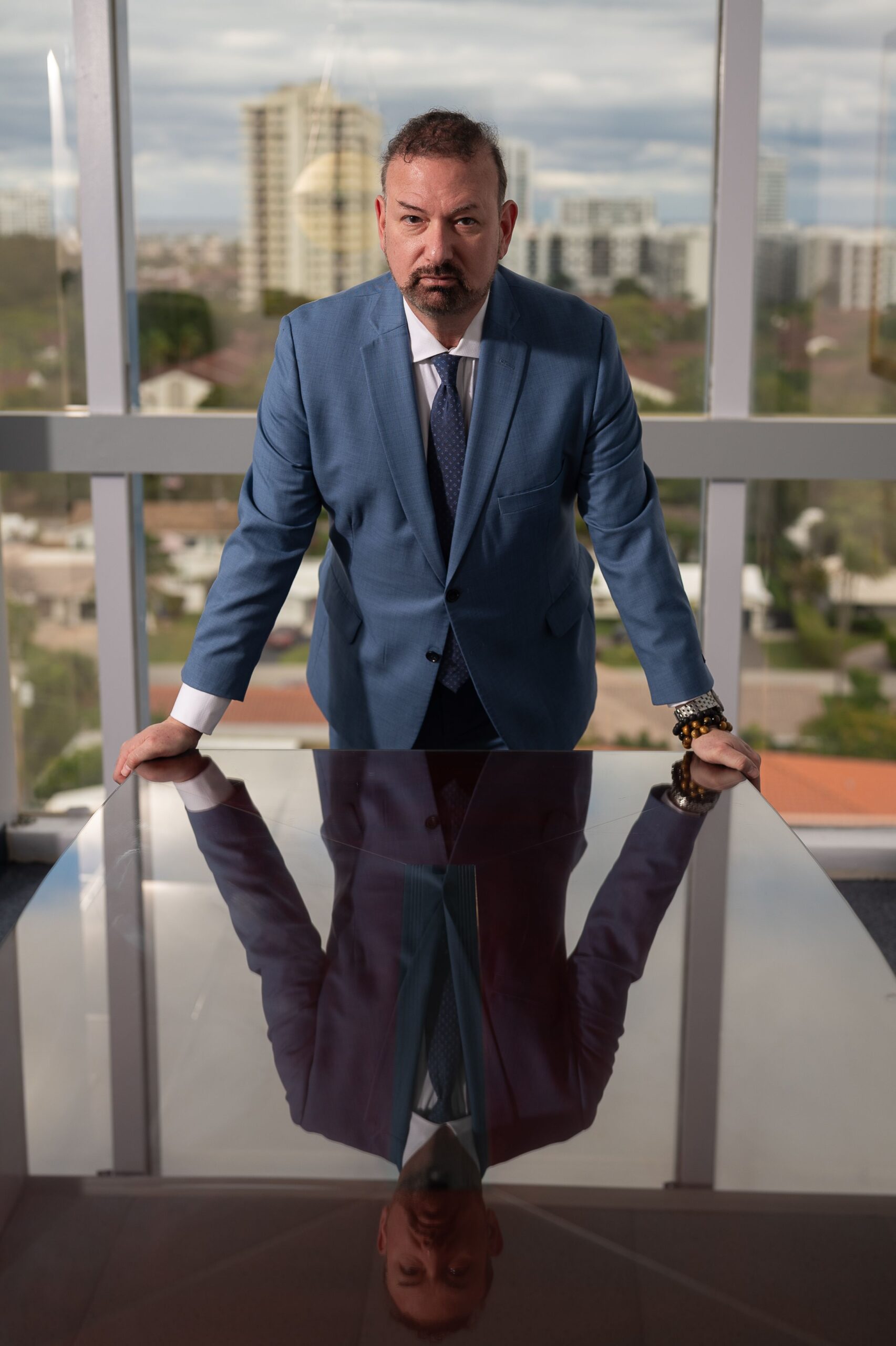
Rick's biography describes his service as an Assistant State Attorney in Miami-Dade County and his trial work. Read the published background for details of his professional experience.
Our South Florida office is at 1600 S Federal Highway, Suite 1101, Pompano Beach, FL 33062. Call 954-465-8733 before visiting.
Decisions and practical questions
Yes. We can begin by phone and review available records remotely. Tell us where the fall happened and where you are receiving follow-up care. Any later travel needs depend on the claim's progress.
Not necessarily. Witnesses, incident records, receipts, and available video may still help. Tell us what you observed and who was present. Do not recreate a photograph or guess how long the hazard had been there.
That depends on the agreement. A courtesy refund is different from a release, but the complete terms matter. Keep the written offer and any document you signed so we can assess what it covers.
Not automatically. Preservation and access are separate issues. A lawyer can identify an appropriate request or discovery process. Prompt action helps address possible retention limits without assuming a recording exists.
The condition, lighting, design, warnings, and your movement need review. Structural or stair-related claims do not necessarily follow the same rules as a temporary spill in a business.
Footwear may be relevant to a fault argument, but it does not decide the entire case by itself. Keep the shoes and describe the surface and circumstances accurately.
Related guidance